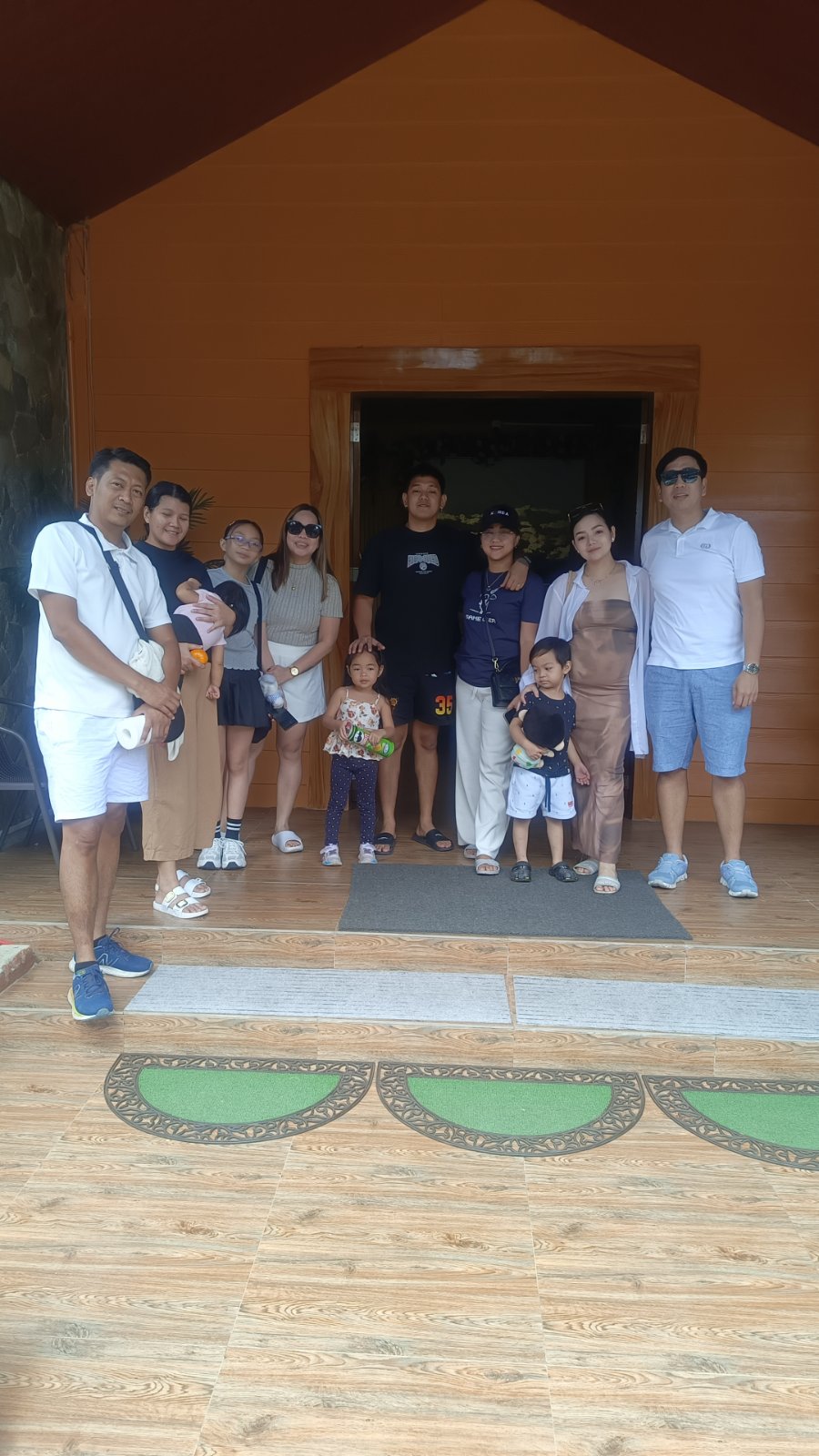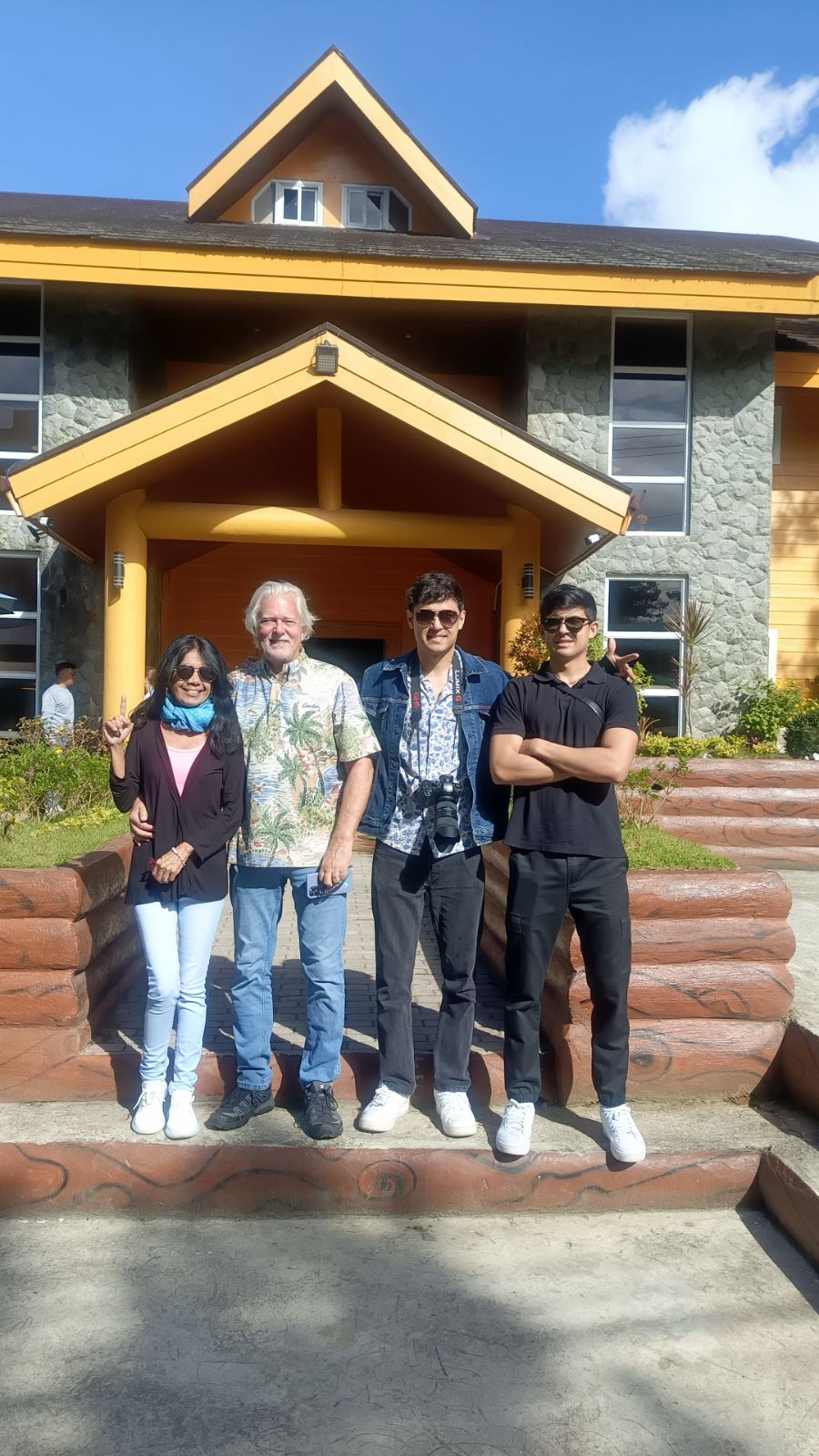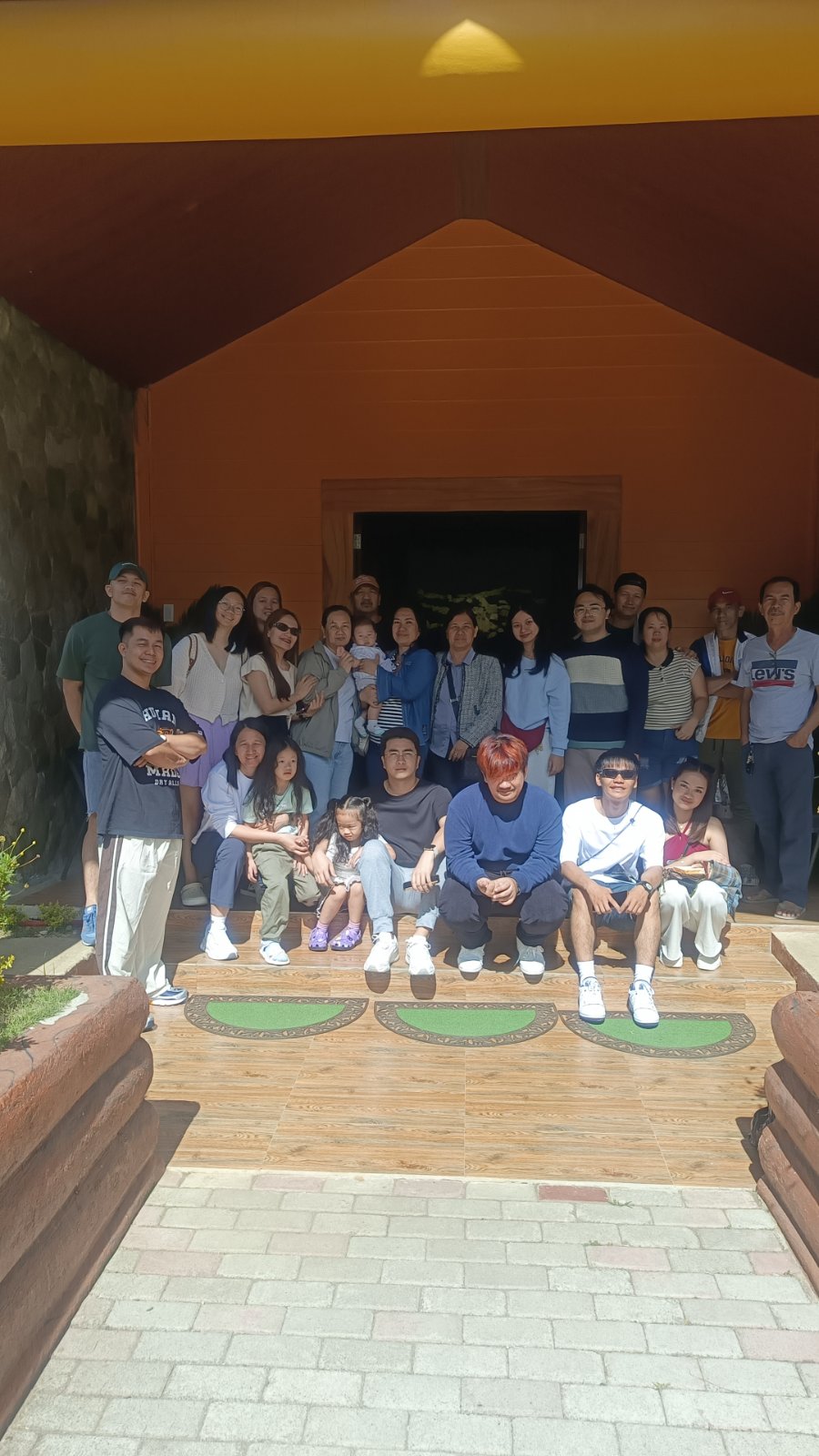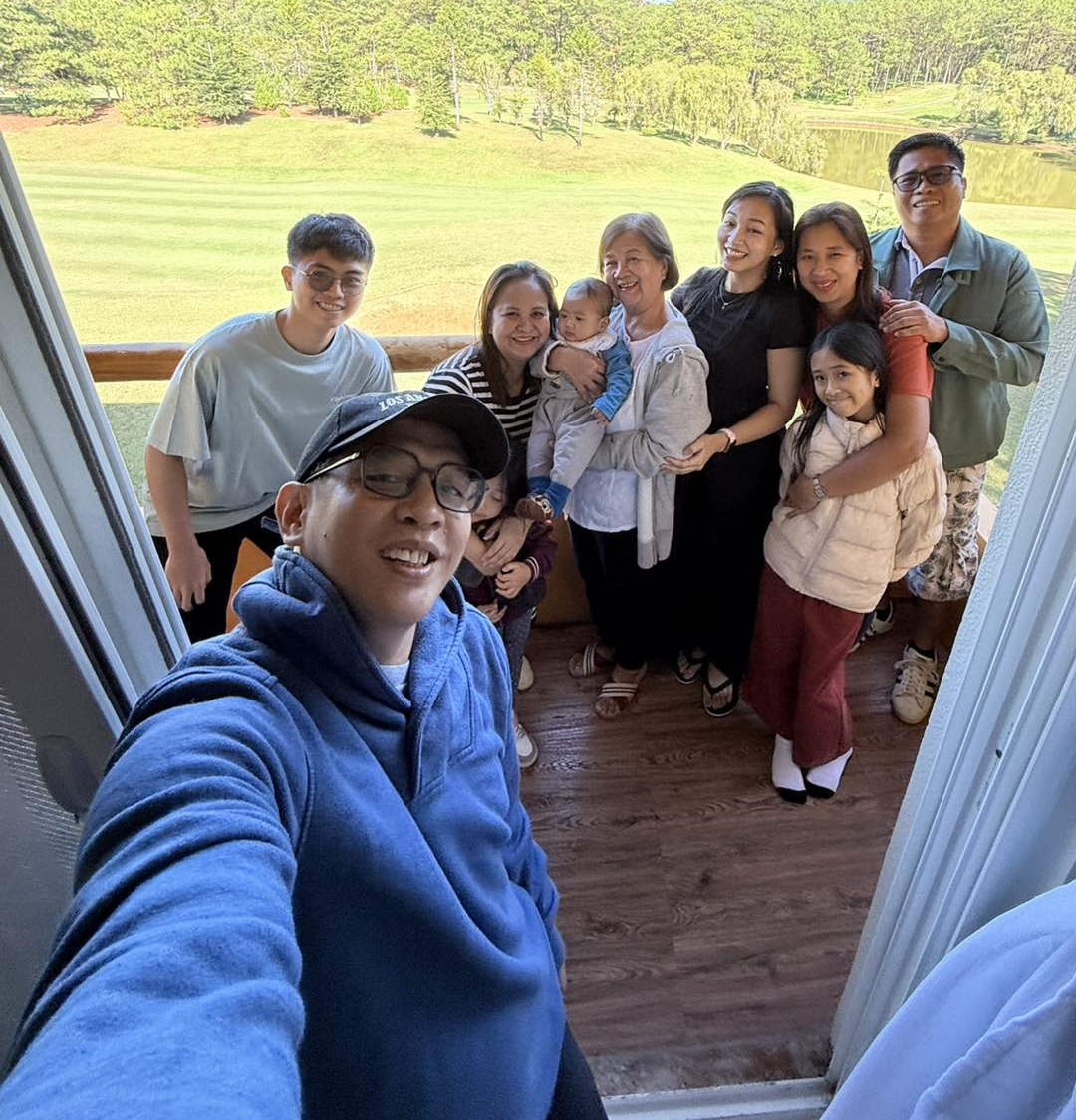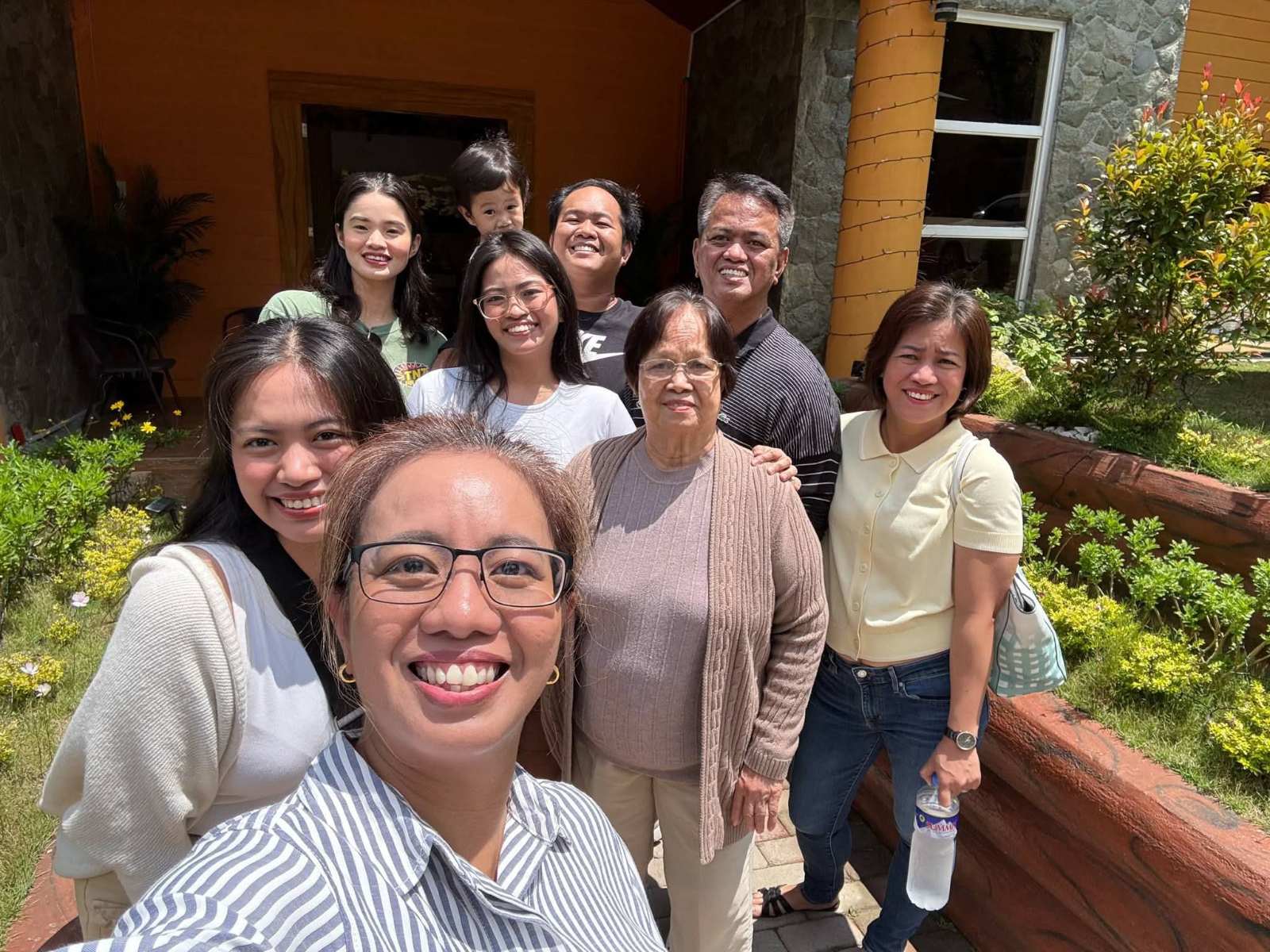
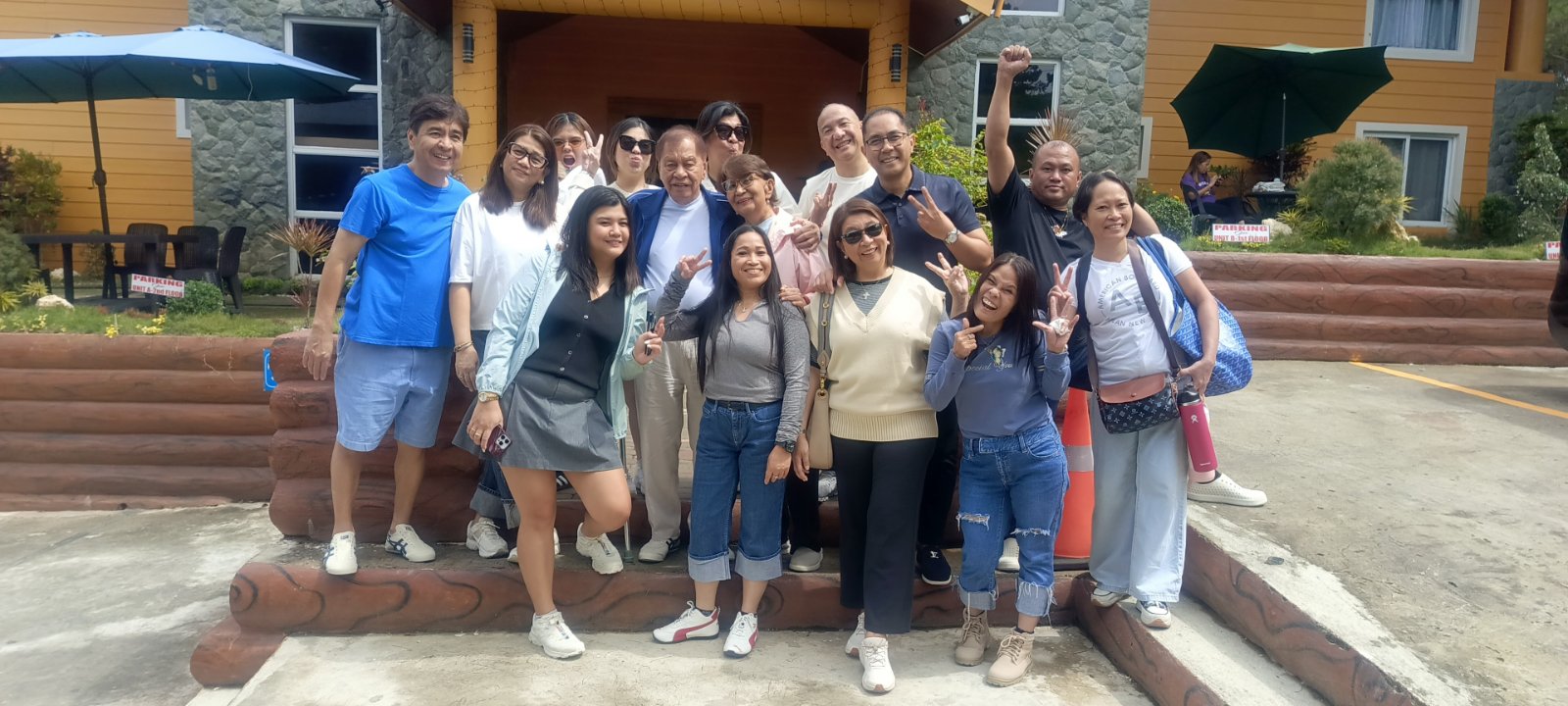
Camp John Hay stands as one of the most historically significant locations in Baguio, with a rich past that spans over a century. As guests of Orange House, you have the unique opportunity to stay within this storied property and experience its transformation from military base to world-class destination.
The Early Years: A Military Sanctuary
Established in 1900 by the United States 48th Infantry Unit under Captain Robert Rudd, the area was originally known as Hill Station. The site, locally called "Kafagway" by the indigenous Ibaloi people, was officially designated as Camp John Hay in October 1903 when President Theodore Roosevelt signed a presidential order creating a 213-hectare military reservation.
Named after then-Secretary of State John Milton Hay, the camp served as a cool-weather refuge for American soldiers stationed in the Philippines. With an average elevation of 5,000 feet, the location provided relief from the tropical heat of the lowlands.
World War II: A Pivotal Chapter
Camp John Hay holds the distinction of being the first place in the Philippines bombed during World War II. On December 8, 1941, Japanese warplanes attacked the installation, marking the beginning of a dark period in its history.
During the Japanese occupation, the camp served as the headquarters of General Tomoyuki Yamashita. In a historic moment on September 3, 1945, General Yamashita surrendered to General Jonathan Wainwright at the Ambassador's Residence within the camp, witnessed by British General Arthur Percival.
Post-War Transformation
After World War II, the facility was converted into John Hay Air Base in 1955, serving as a recreational venue for both American military personnel and Filipino dignitaries. Despite its name, the base famously had no airstrip, instead featuring a golf course that would become legendary.
The site housed important facilities including the Voice of America broadcasting station and the American Residence, which served as the summer home for the U.S. Ambassador to the Philippines.
The Modern Era: A Tourist Paradise
In 1991, Camp John Hay was turned over to the Philippine government. The Bases Conversion and Development Authority (BCDA) oversaw its transformation into a mixed-use development combining commercial, residential, and tourism elements.
Today, Camp John Hay features luxury hotels like The Manor and Forest Lodge, the prestigious Golf Club, numerous restaurants and shops, and residential areas like the Golf Estate where Orange House is located. The development carefully preserves the area's historical character while providing modern amenities and world-class facilities.
Historical Landmarks to Visit
Guests staying at Orange House can explore numerous historical sites within Camp John Hay:
- The Bell House: Named after Major General Franklin Bell, this historic structure sits in the camp's Historical Core and features the Bell Amphitheater designed by the general himself.
- The Cemetery of Negativism: Also known as the Lost Cemetery, this symbolic burial site for negative thoughts was established in the early 1980s by commanding general John Hightower.
- History Trail and Secret Garden: Marked trails featuring historical information about the camp's evolution.
- Ambassador's Residence: The site where General Yamashita surrendered, now serving as the U.S. Ambassador's summer residence.
Environmental Stewardship
In 1966, a quarter of Camp John Hay was designated as a forest reserve and watershed, ensuring the preservation of Baguio's natural environment. This commitment to environmental protection continues today, with the area serving as one of the city's vital green lungs.
Experience History at Orange House
Staying at Orange House means you're not just booking a vacation rental – you're becoming part of Camp John Hay's continuing story. Wake up each morning surrounded by the same pine forests that sheltered soldiers, diplomats, and travelers for over a century. Walk the same paths, breathe the same crisp mountain air, and create your own memories in this historic setting.
Book your stay at Orange House and immerse yourself in the living history of one of the Philippines' most remarkable destinations.